SteamEco traps run in refineries, chemical complexes, PTA and polyester plants, thermal power stations and industrial parks. Every figure below comes from customer energy reports or third-party measurement — not from a brochure.
Under confidentiality agreements we do not publish customer names. Third-party inspection reports, energy-savings confirmation letters and purchase contracts can be shown to serious buyers on request.
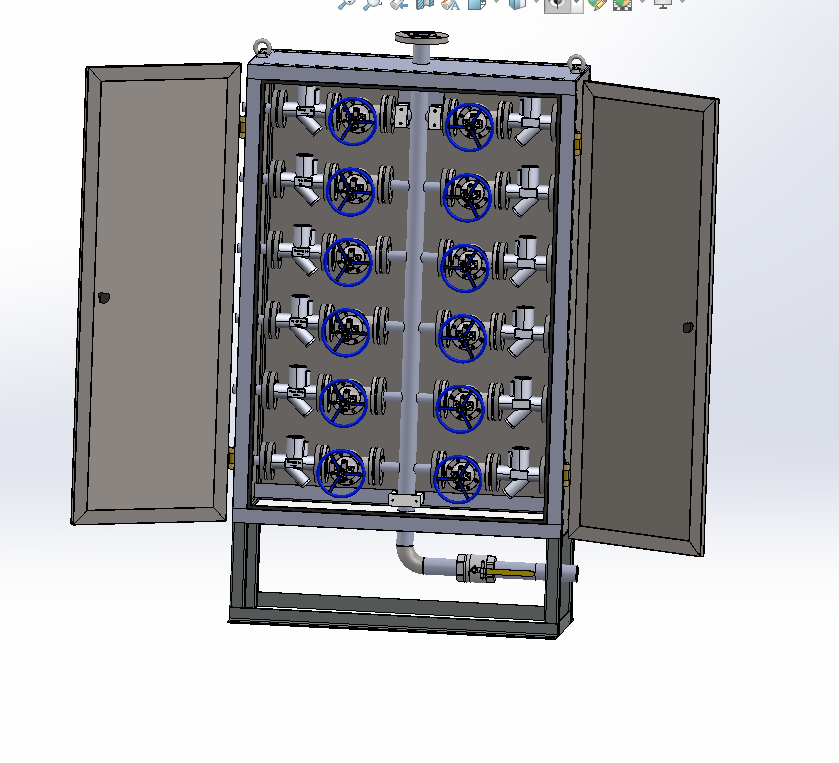
264 SteamEco venturi traps supplied as sole source for the condensate recovery energy retrofit. Visible steam plumes ("white dragons") eliminated across the site.
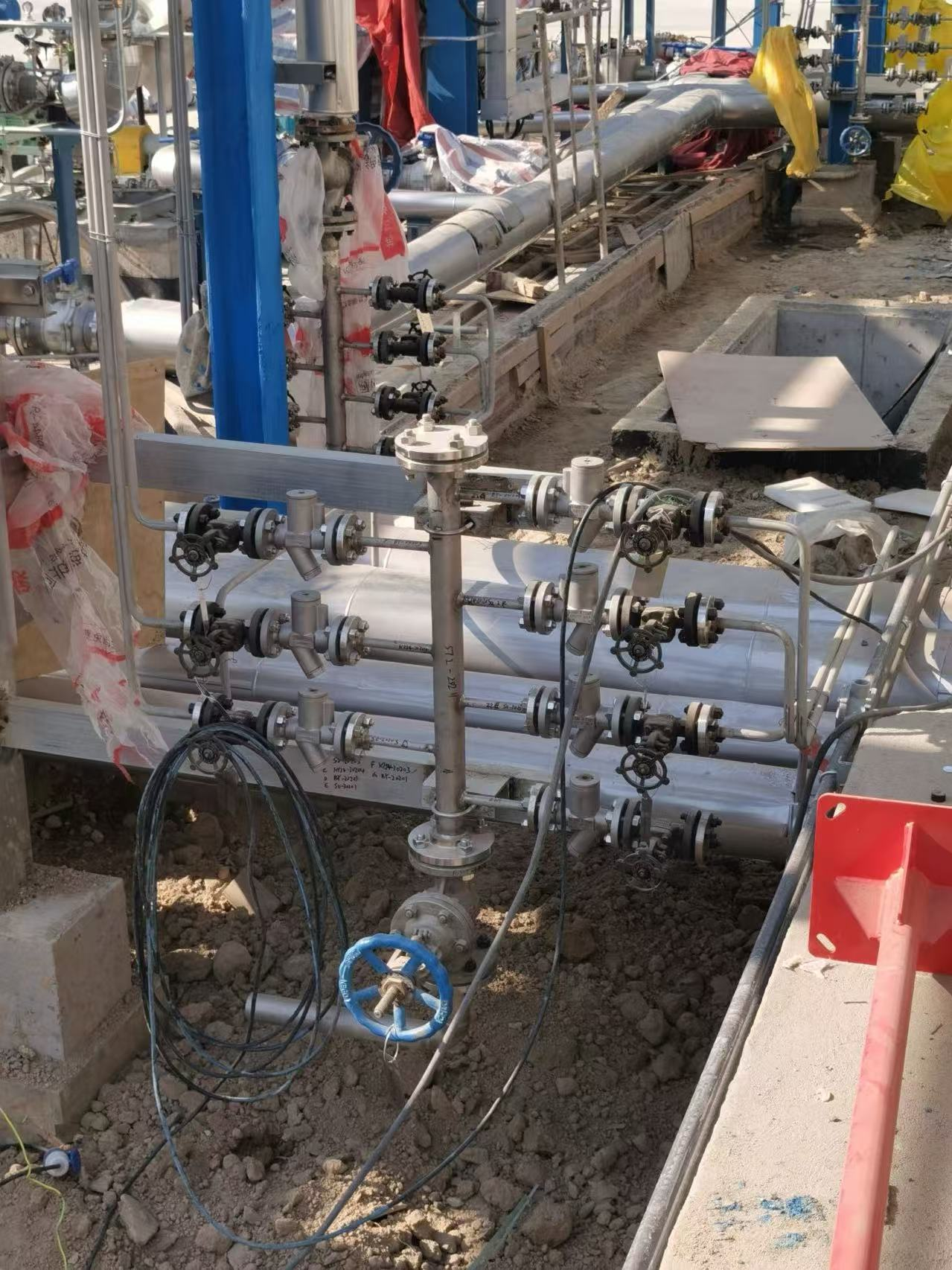
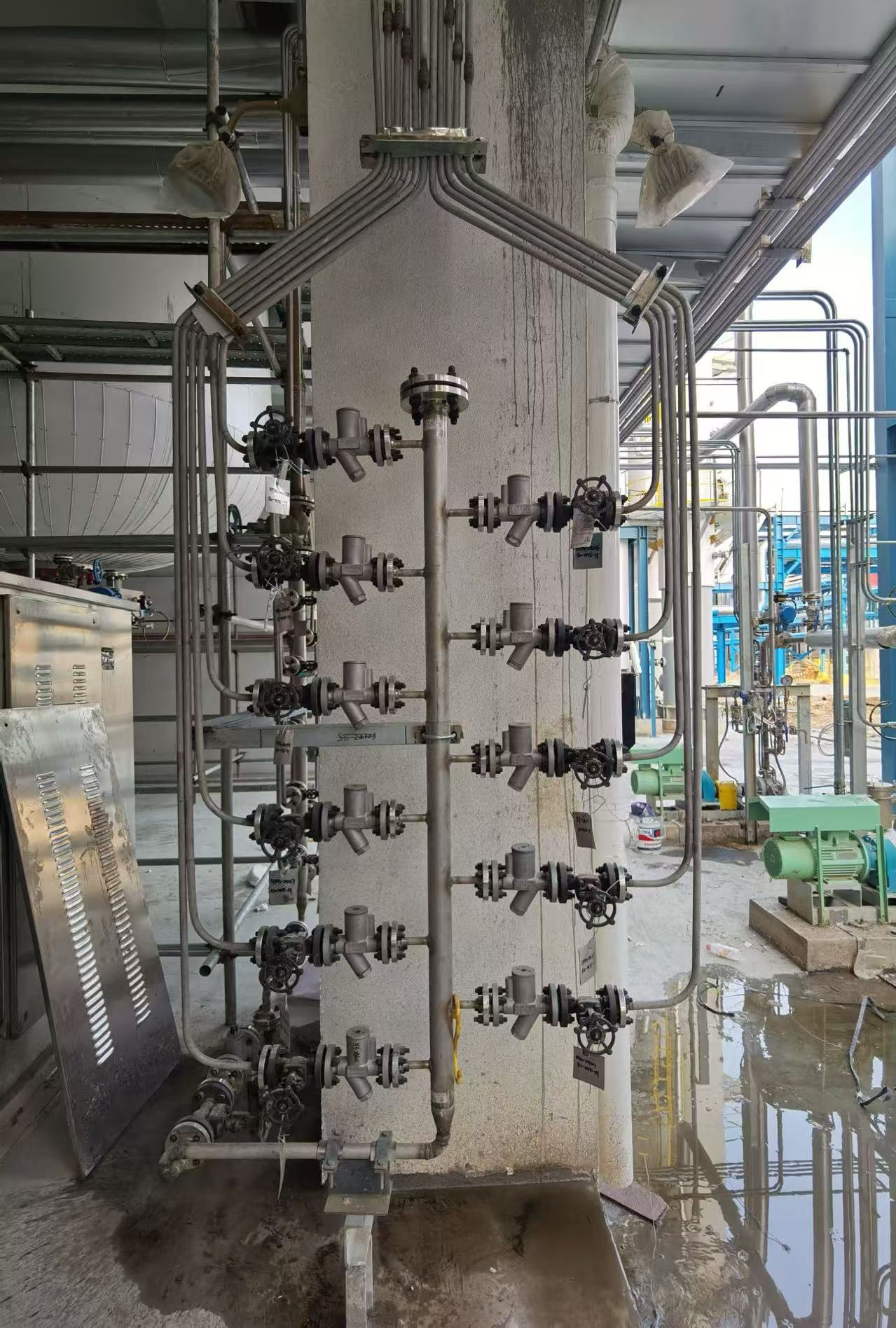
All 594 steam traps on the new-build complex are SteamEco venturi traps, commissioned at the end of 2024 and running leak-free since start-up.
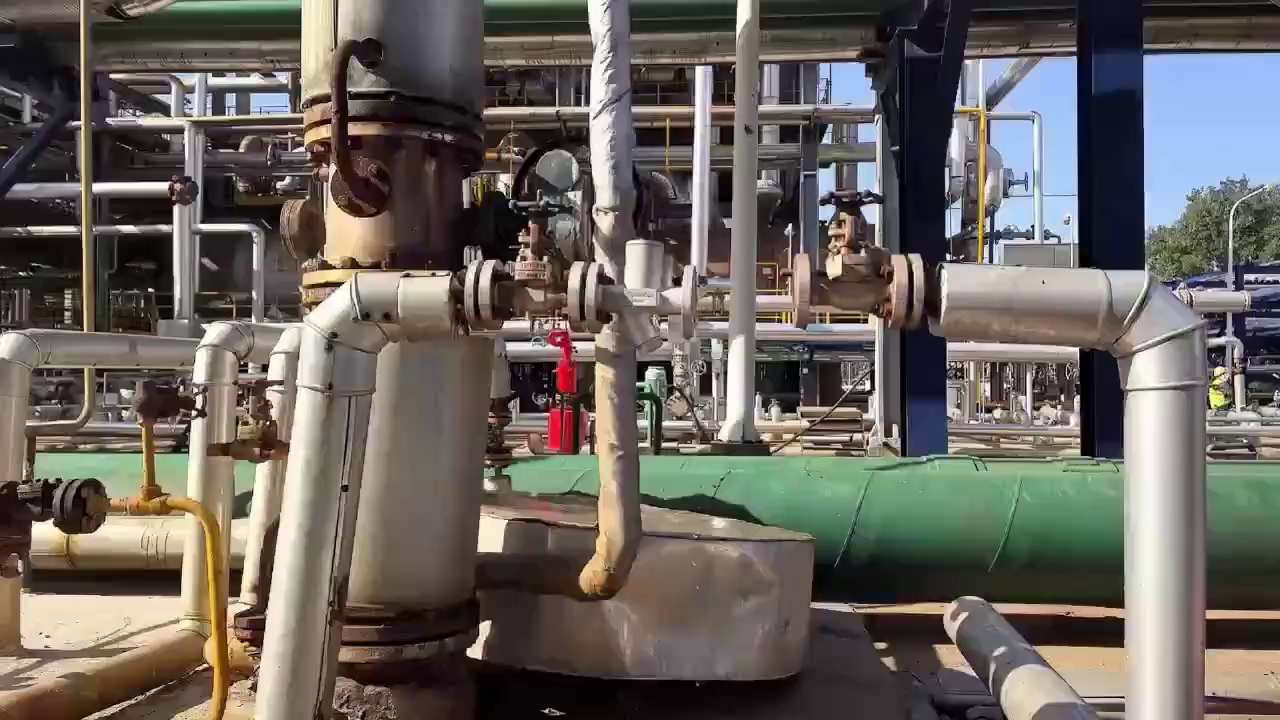
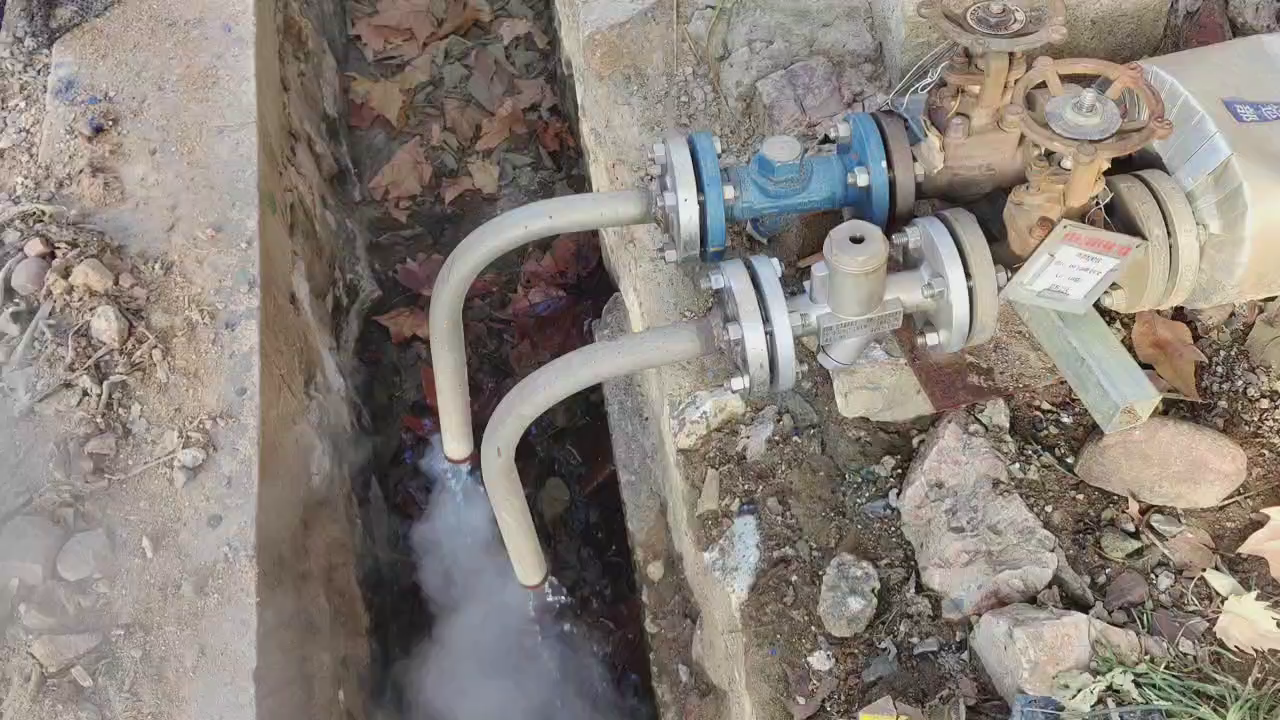
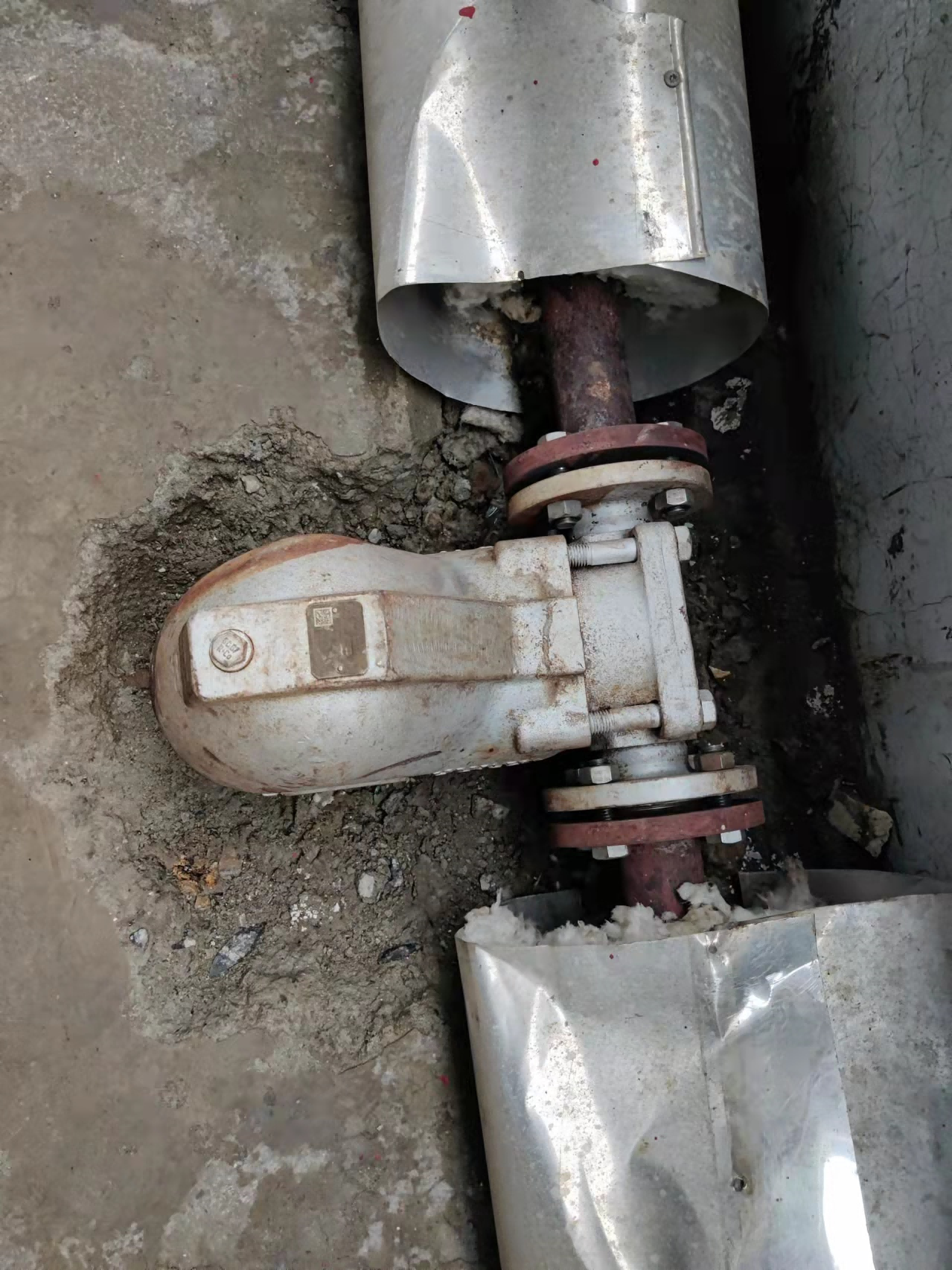
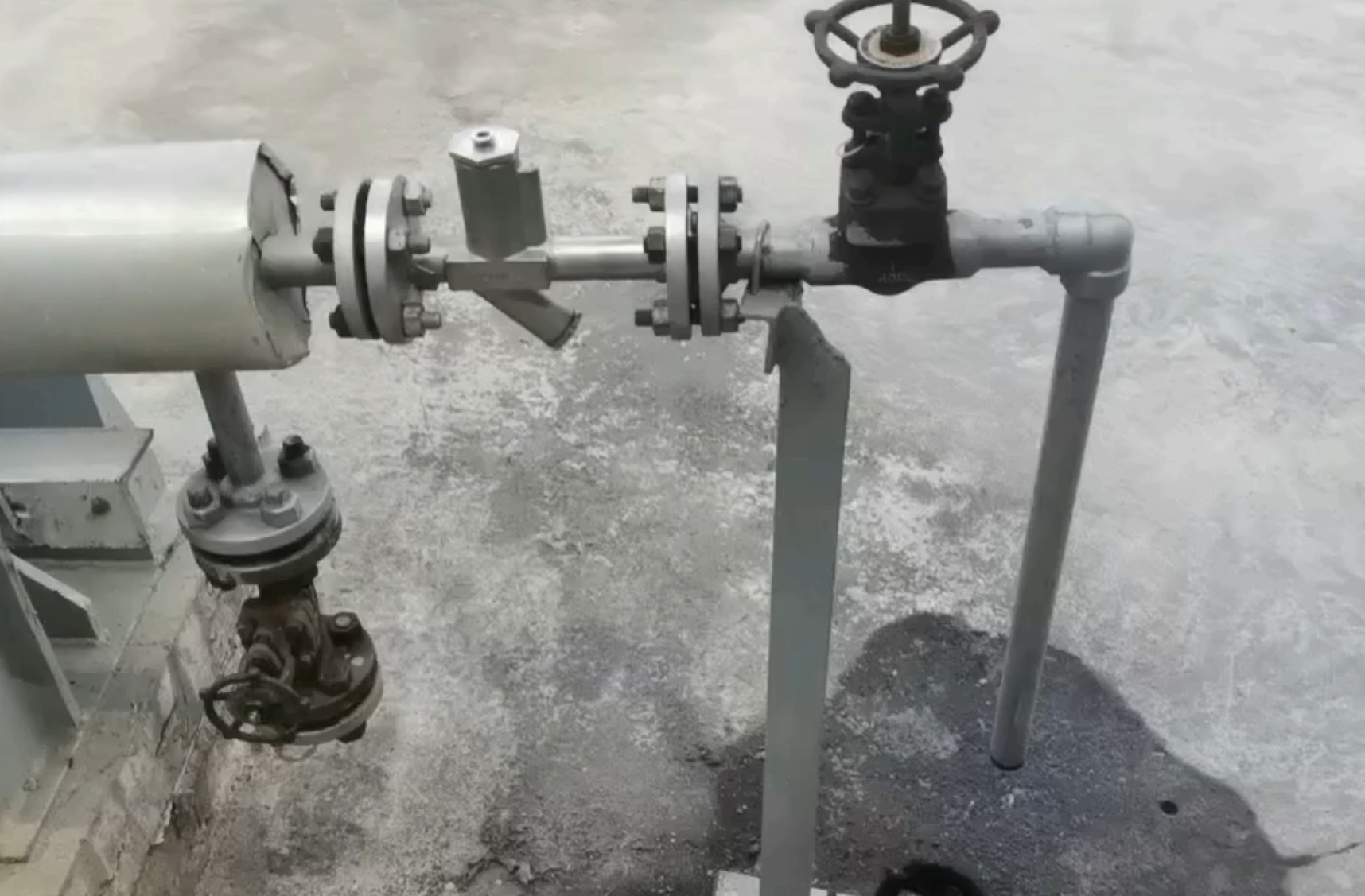
SteamEco traps installed in the No.2 refining department and the storage & transportation department, with discharge behaviour documented on site video.
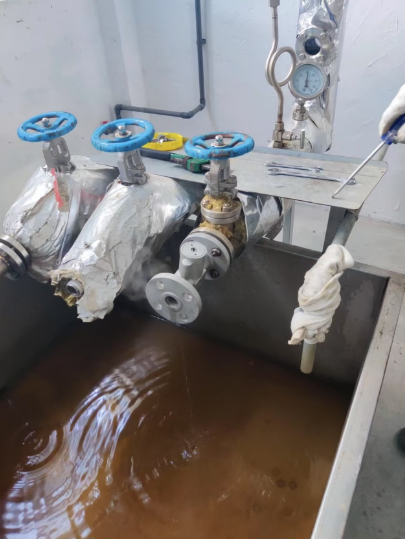
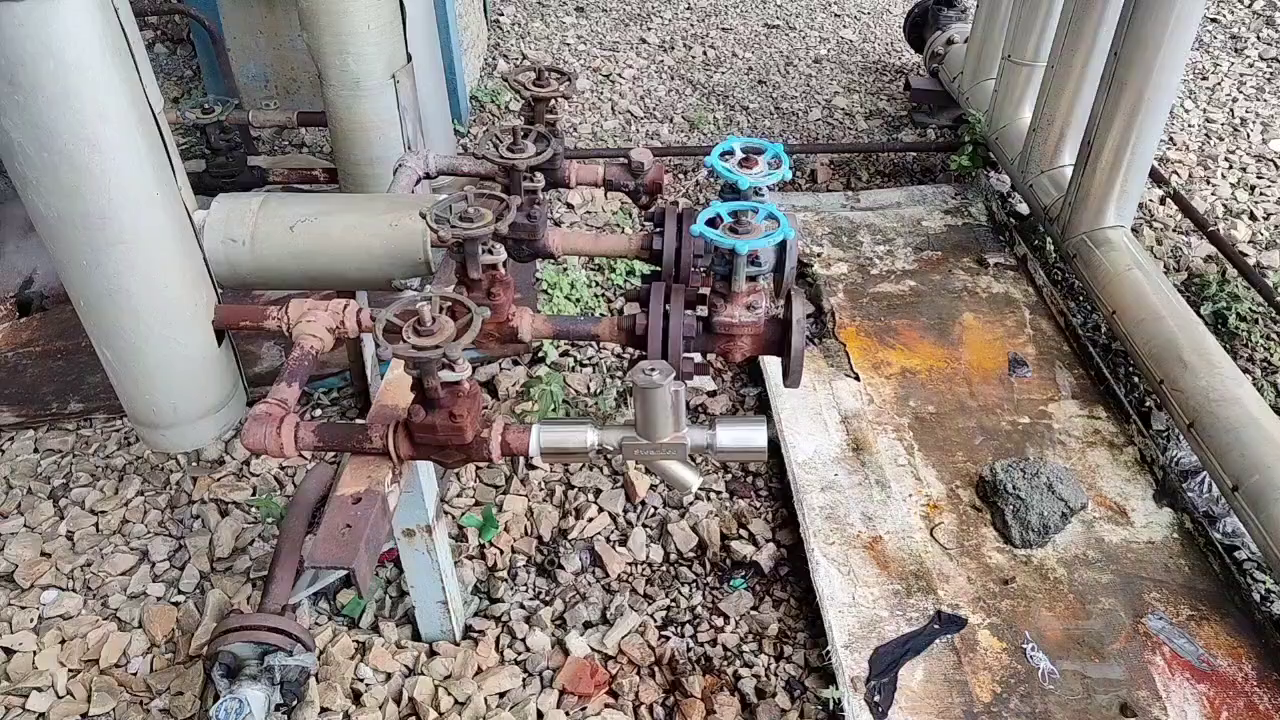
The refinery carried out a structured comparison of SteamEco venturi traps against the incumbent mechanical traps, documenting the difference in steam consumption.
After replacement, the customer invited an independent inspection agency to measure trap energy performance: 32.26% less steam versus the original traps.
Selected in the customer's annual framework procurement for energy-saving steam traps; field feedback confirms clear steam savings with no visible plumes.
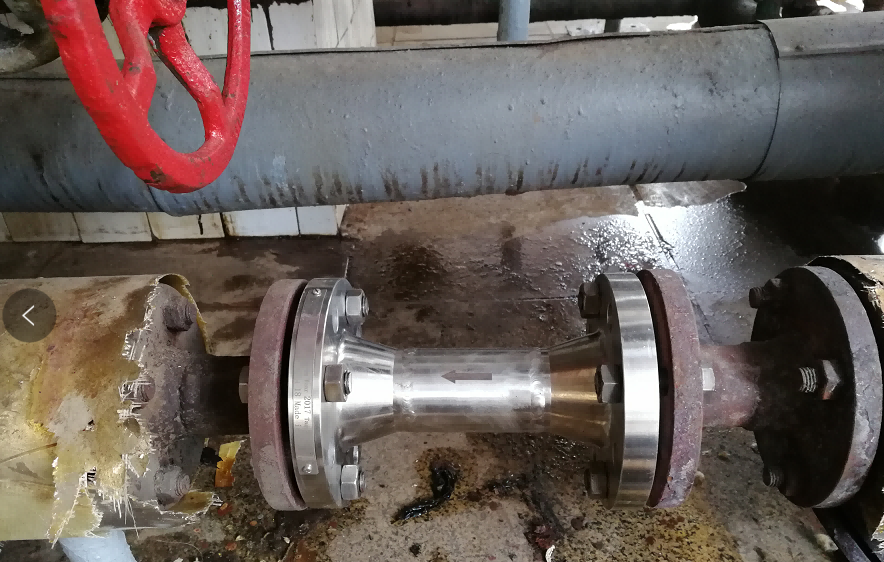
On the No.1 and No.2 circulation-water utility steam lines, SteamEco replaced imported inverted-bucket traps. Savings ranged 20–70% per unit — about 30 t of steam and USD 620 per trap per year.
All four DN50 traps in workshop 210A replaced. Whole-workshop steam use fell 10.2% — 6,528 t/y and about USD 200,000 saved. Condensate back-pressure dropped from 0.4 to 0.3 MPa, fixing slow drainage and slow heat-up.
South No.2 chlorine flash unit: 17.8 bar steam supply, 2,350 kg/h condensate. Steam saving 10% — 1,880 t/y, equal to 178 tce and about USD 60,000 per year.
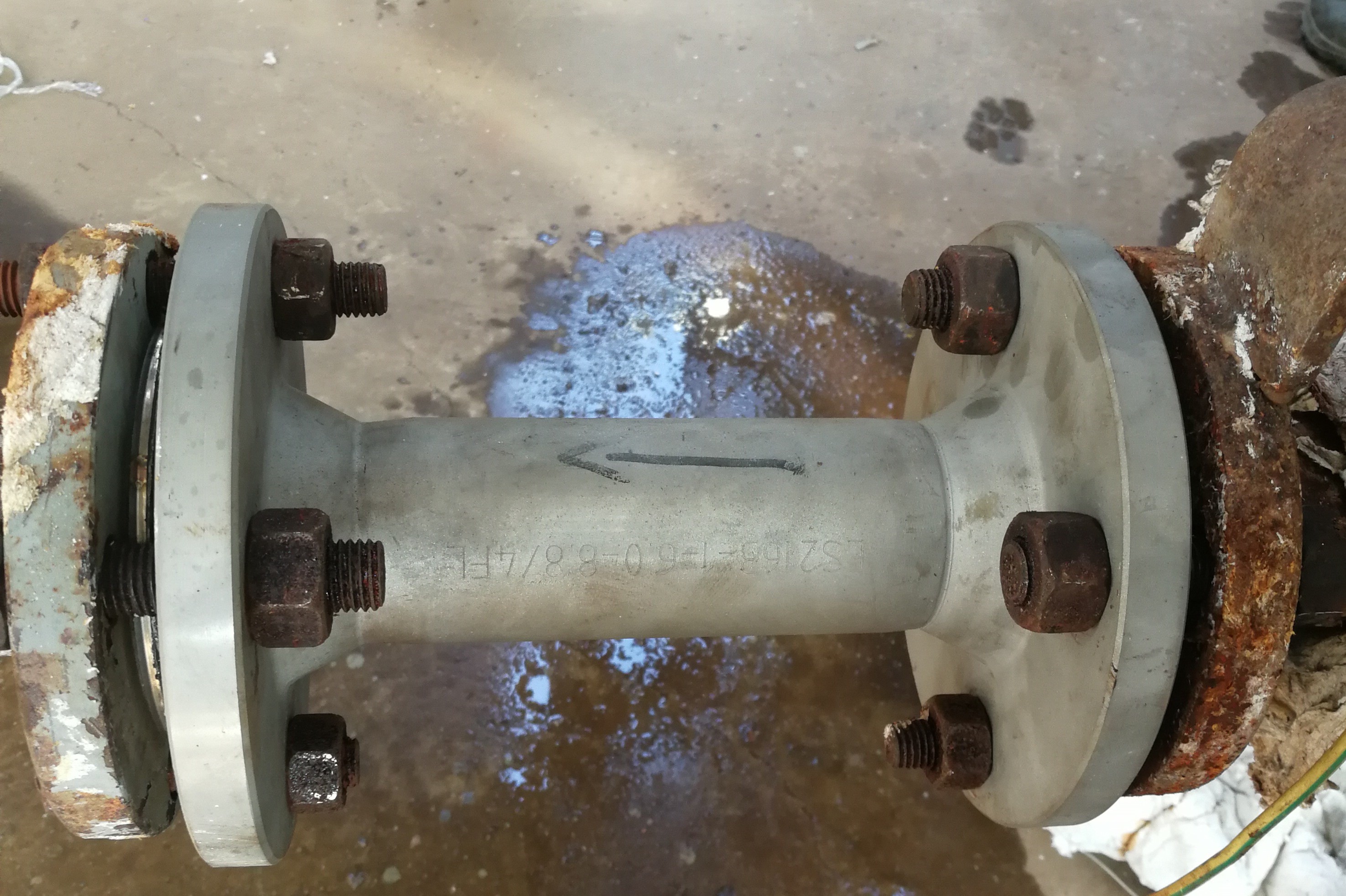
Heat exchanger T1206 originally ran an imported trap. After switching to SteamEco, steam consumption per tonne of product fell 21% — 3,200 t/y, 303 tce, about USD 120,000 saved.
Medium-pressure steam traps in the chlor-alkali workshop replaced from another brand. Steam consumption per product down 25.54% — 800 t/y, 76 tce, about USD 25,000.
Steam main previously drained by thermodynamic traps switched to SteamEco: per-unit steam saving of 92%, about 84 t/y and USD 3,000 saved on this one line.

22 SteamEco traps supplied for the PTA main unit's high-pressure, high-flow drainage — the largest units in the plant operating at up to 9.0 MPa and 156 t/h per trap.

Steam mains, tracing, reboilers and condensate recovery at refinery scale.
Batch kettles, dryers and flash units where steam is the top utility cost.
Sterilisation and process heating with stable, controllable temperature.
Cooking, drying and finishing lines with high condensate loads.