Home / Technology

How the venturi trap works

Same function, same flange size as a conventional trap — a completely different working principle. Instead of a float or bucket, SteamEco uses fluid dynamics to separate condensate from live steam.

The problem

Why mechanical steam traps fail — and what it costs

A mechanical trap is a machine. Its float, bucket, lever and valve seat move thousands of times per day in dirty, wet, high-temperature steam. Two failure modes dominate:

💨

Fail-open: live steam escapes

Worn seats and stuck-open mechanisms leak steam continuously into the condensate network. Vibration and noise rise, downstream pipework and pumps take damage — and the leak grows month after month until someone replaces the trap.

🧱

Fail-closed: condensate backs up

Debris and scale accumulate in small orifices and moving mechanisms. The trap stops draining, the process temperature drops, heat-up times stretch out, and water hammer starts to hammer the line.

The principle

Three stages inside one stainless nozzle

Venturi steam trap cross-section Cross-section of a venturi nozzle: compression section, throat and expansion section. Condensate accelerates through the throat, flash steam forms in the expansion section and creates back-pressure that blocks live steam. Compression section Throat Expansion section Condensate + non-condensables in Condensate out flash steam turbulence
  • 1 · Start-up. Non-condensable gases and cold condensate pass straight through the nozzle at full velocity — no separate air vent needed.
  • 2 · Under load. Hot condensate flows from the high-pressure side into the expansion section, where part of it flashes into steam. The flashing mixture accelerates through the expanding throat — and that turbulence continuously scours the passage clean, so blockages simply do not build up.
  • 3 · Steam locked out. The expanding flash steam creates a local back-pressure right at the nozzle throat. Live steam cannot push past it — so the trap drains condensate and blocks steam at the same time, with no moving part involved.
In motion

Watch the principle

Animation of condensate and flash steam behaviour inside the SteamEco nozzle (from the product presentation).

What this means on your plant

  • Condensate is discharged continuously — heat transfer surfaces stay flooded with steam, not water
  • No cyclical temperature swings, so product quality and reaction control improve
  • Flash-steam turbulence keeps the throat clean — debris passes instead of collecting
  • No mechanism to jam: performance on day 3,000 equals day 1
  • Downstream condensate network pressure stays stable, protecting pumps and piping
Head to head

Mechanical trap vs SteamEco venturi trap

Characteristic Mechanical (float / inverted bucket) SteamEco venturi
Moving partsFloat, bucket, lever, valve seatNone
Steam leakageGrows as parts wear — up to tens of kg/h per trap≤ 0.1%, stable for life
Failure from debrisJams open or closedSelf-cleaning, debris passes through
Water hammer / thermal shockDamages mechanismNot affected
Installation orientationLevel, correct head requiredAny angle
Inspection & maintenancePeriodic testing and replacement every 1–2 yearsNone scheduled
Service life1–2 years typical, warranty 1 year10–20 years, warranty 3–10 years
Downstream back-pressure stabilityCyclical discharge causes surgesContinuous, stable flow
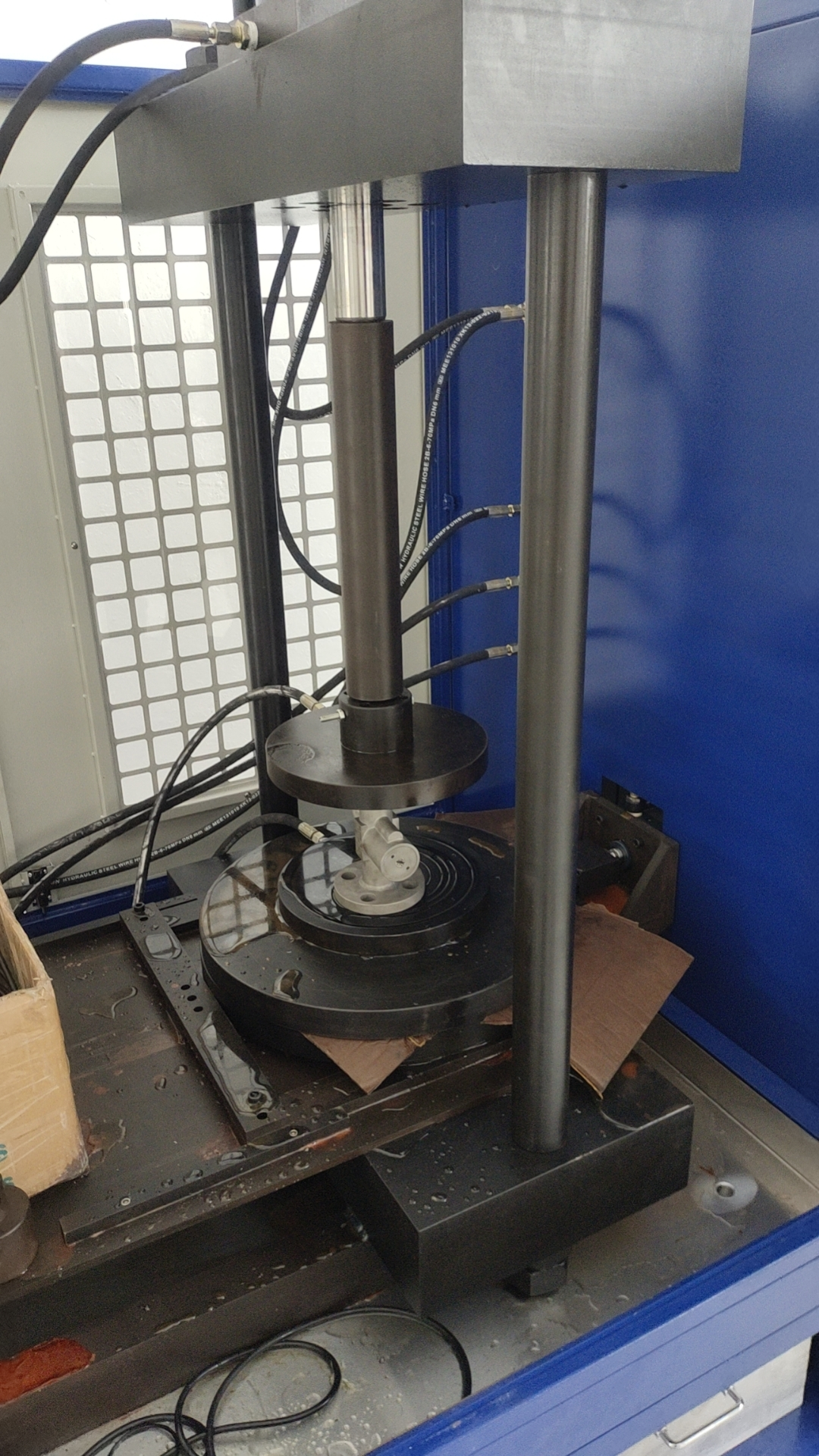
SteamEco factory test rig
Quality assurance

Every trap tested before it ships

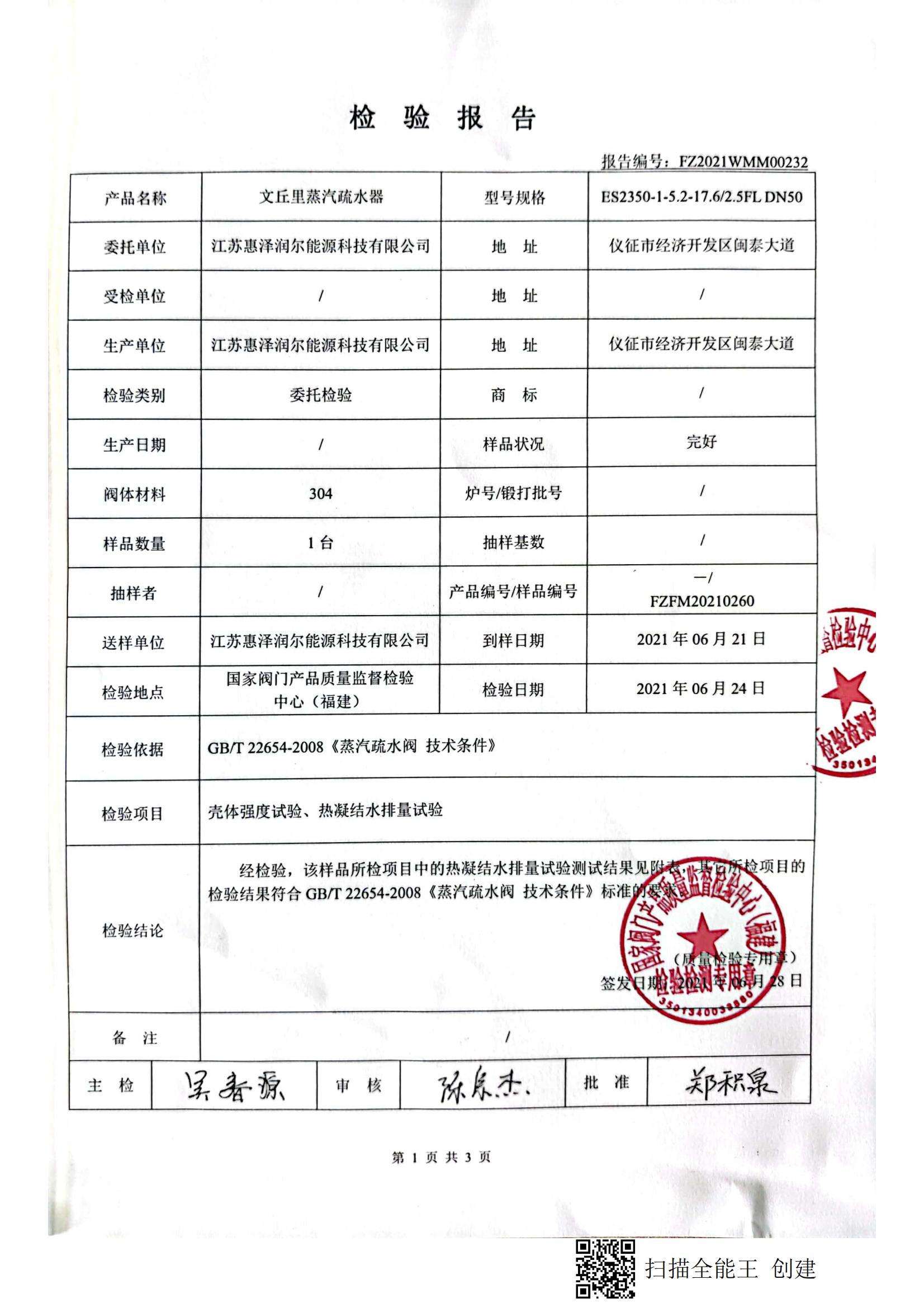
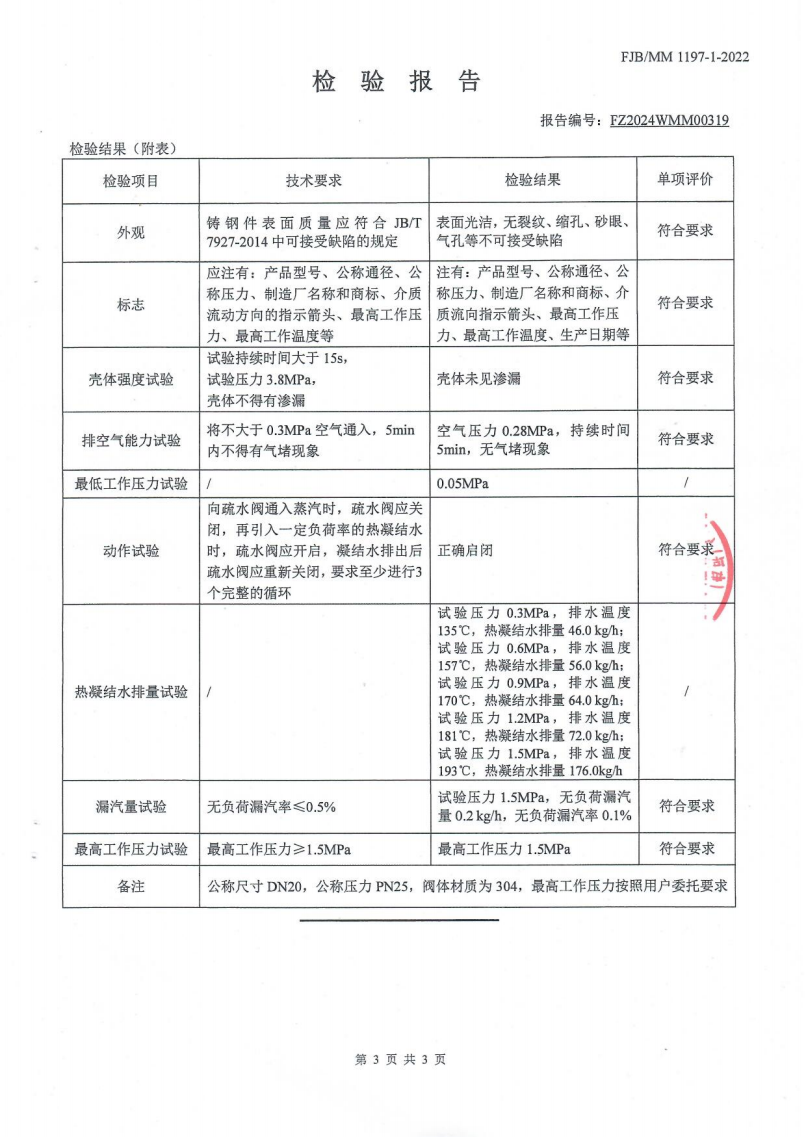
Each unit passes a hydrostatic shell strength test and a hot steam operational test on our in-house rig before delivery. Manufacturing and testing follow recognised Chinese national standards — the same regimes international customers audit to:

  • GB/T 22654-2008 — Steam trap technical conditions
  • GB/T 12251-2008 — Steam trap test methods
  • GB/T 20878-2007 — Stainless steel grades & chemical composition
  • JB 4709-2007 — Pressure vessel welding procedure
  • GB/T 1804-2000 — General tolerances
Third-party type test report — National Valve Quality Inspection Centre Third-party performance test report — steam displacement and leakage tests

Sample pages of third-party type-test reports issued by the National Valve Quality Inspection Centre (Fujian, China). Full reports available on request.

Independently verified in the field

At a petrochemical complex in the Yangtze River Delta, SteamEco traps were tested by a third-party inspection agency against the original mechanical traps: 32.26% steam saving. At a fine chemical plant in Shandong, whole-workshop steam consumption fell 10.2% after replacing just four traps.

Want the calculation for your own traps?

Send us your steam parameters — we will return a nozzle calculation, performance prediction and payback estimate for your system.

Talk to an engineer